Men’s mental health: A silent crisis we must confront
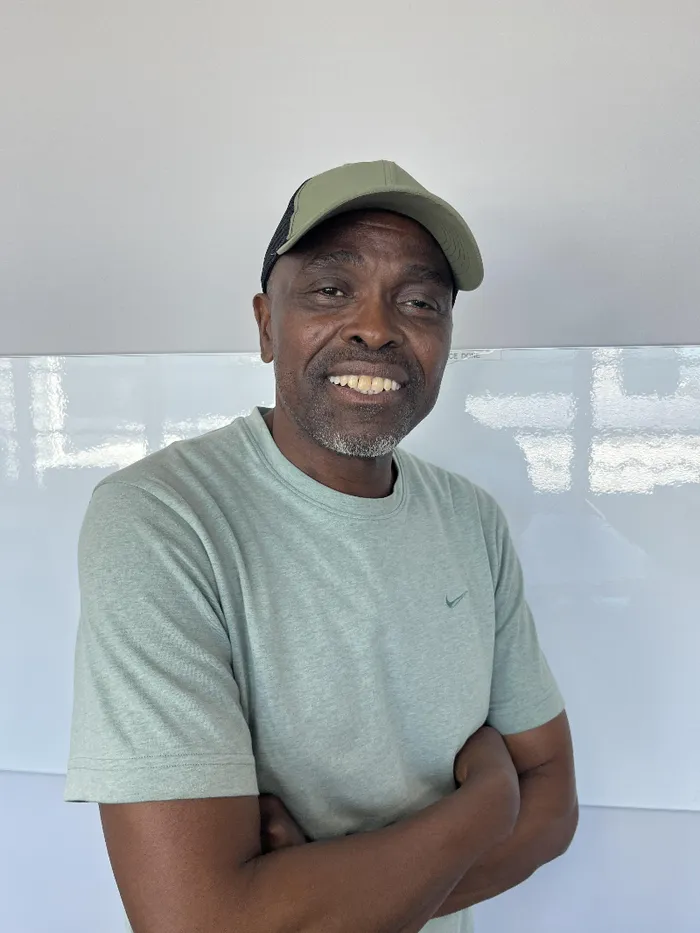
Central reporter Phiri Cawe.
Image: Supplied
The past few weeks have confronted us with troubling news of suicides.
After the death of promising rapper Bravo le Roux, reportedly by suicide, I felt the country needed to pause and reflect on its commitment to men’s mental health.
Just days later, a young man from Site C was found hanging inside the home where he lived.
These tragedies cannot simply be dismissed as a coincidence. They are a call - a loud and urgent one - for society to reflect and respond.
And these two deaths are only the tip of the iceberg. Social media has been filled with reports and whispers of more men taking their own lives. Suicide among men needs far more attention than it currently receives.
I have said this before, and I will say it again: men are neglected - often by society, and sometimes by themselves. The boy-child is frequently overlooked and then blamed when he goes astray. We rarely acknowledge the damage that may have been done in his early years. We rally around the girl-child, rightly so, but forget that boys, too, deserve care, nurturing, and emotional support.
There is a pressing need for the media to show a greater commitment to covering men’s issues. Too often, I feel we prioritise other gender-related issues while brushing men’s struggles aside. As a member of the media myself, I must admit that I am not exempt from this failure. I have not raised men’s issues as often as I should have.
In my years as a reporter, I have rarely come across sustained coverage of men’s mental health. Yet men are under immense pressure. They are expected to provide, to succeed, and to perform miracles in a country battling high unemployment and deep inequality.
The unspoken command is often simply: “men must.” But what happens when they cannot? For many, that pressure becomes unbearable.
Do our newsrooms lack the capacity to report effectively on issues affecting men, or is it simply not seen as part of the news agenda? Are we still clinging to the outdated idea that men are not supposed to cry?
Men do cry. Men do struggle. And struggling does not make one less of a man. Some who cannot cope with the pressure end up in prison, not because they are inherently criminal, but because they break under strain.
Of course, the focus on women and children is necessary and justified. But by concentrating only there, are we leaving a dangerous void? Mental health experts, community leaders, and policymakers must recognise that many men are silently perishing under the weight of untreated mental illness. Men experience anxiety, depression, and trauma, too.
This is not about excusing harmful behaviour or defending men’s worst actions. Rather, it is about unpacking the root causes, placing them in context, and seeking solutions — especially those grounded in local realities. We need to understand why some men become violent, abusive, or self-destructive. What pressures, wounds, and silences lie beneath these outcomes?
It cannot be normal for a seemingly stable, successful man to commit acts of extreme violence against his own family. Something is deeply wrong. We must stop belittling men’s silence. Many are carrying pain with nowhere to turn.
Addressing men’s mental health benefits everyone. We need honest conversations, community support systems, and safe spaces for men to speak. We must ask difficult questions about the roots of male anger and despair. Too often, we only hear the headlines: men kill, men abuse, men destroy. But what drives them to these points? What in their environments, their upbringing, and their expectations has gone unaddressed?
Men can be victims of abuse too. They need encouragement to talk - and safe spaces to do so. It will not be easy, but it is necessary. If you are a man reading this and you have been silent about your struggles, consider speaking to someone you trust. If they dismiss your pain, that is on them. You would at least have released what is weighing on you.
There is strength in vulnerability.
Suicide is becoming a terrifying reality for many men. It is no longer a distant issue - it is here, in our communities, in our homes. We cannot afford to ignore it any longer.
Find Vukani on TikTok and Instagram @ccmonlineza